Grief Recovery
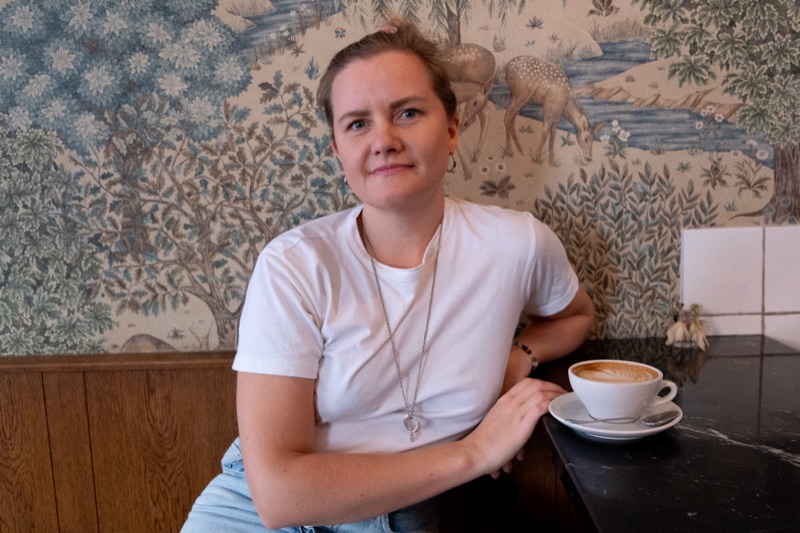
I wish someone had taught me how to deal with grief.
I've experienced a few significant losses in my life, and some of them have affected me more deeply than I understood at the time.
For years, I carried feelings connected to things that had happened, sometimes without realizing how much they still influenced me.
When I discovered the Grief Recovery Method, I was struck by how practical it was. There was a process I could follow, a way to look at what had happened, acknowledge what I was still carrying and begin to relate to those experiences differently.
I sometimes wonder why we're not taught these things in school.
Loss is something every one of us will experience, yet so few of us are taught what to do with the feelings that follow.
What is grief recovery?
Grief is a natural response to loss and change.
We often associate grief with someone dying, but it can also come from separation, illness, losing trust, the death of a pet or the life we imagined that never quite happened.
And grief isn't always sadness. It can involve anger, disappointment, relief, guilt, love and many other feelings, sometimes all at once.
Most of us have heard advice like "be strong", "keep busy" or "time heals all wounds". People usually mean well, but those words don't necessarily help us understand what we're feeling.
The Grief Recovery Method offers a structured way to explore unresolved feelings connected to loss.
How the course works
Over eight meetings, we work through a series of exercises, reflections and conversations.
We begin by looking at the different losses you've experienced and choosing one relationship or loss to focus on.
From there, we explore what happened, what was meaningful, what was difficult and what you wish had been different. The process helps you identify things you may still want to express, including apologies, forgiveness and other important emotional statements.
Towards the end, you'll write a personal letter expressing what you need to say, and read it aloud to someone who listens.
The letter is for you. You won't be asked to confront the person involved or send it to anyone.
The process can bring up strong emotions, and there's space for those feelings as we work through the exercises.
What I've found valuable about this method
One of the things I appreciate most is that the process invites us to look at a relationship as a whole.
We can acknowledge the good memories alongside the painful ones, the things we're grateful for alongside what we wish had happened differently.
For me, doing this work has helped change my relationship with some of the losses I've experienced.
I think there's something incredibly valuable about being able to remember what happened without relating to it in quite the same way as before.
Practicalities
The course takes place in a small group over eight meetings.
- Duration
- Eight meetings, approximately 1–2 hours each
- Group size
- Small groups with time for individual reflection
- Between meetings
- Approximately 2–3 hours of personal reading and exercises
- Materials
- Course material and the book Sorgbearbetning are included.
The course is educational and focused on processing grief. It isn't psychotherapy or treatment for a mental health condition.
TrainingCertified Grief Recovery Method facilitator, Svenska Institutet för Sorgbearbetning.
Upcoming Grief Recovery courses
October 2026
If you're unsure whether this is the right course for you, you're welcome to get in touch so we can talk about it first.
Explore upcoming courses (opens in a new tab)Ask me a question